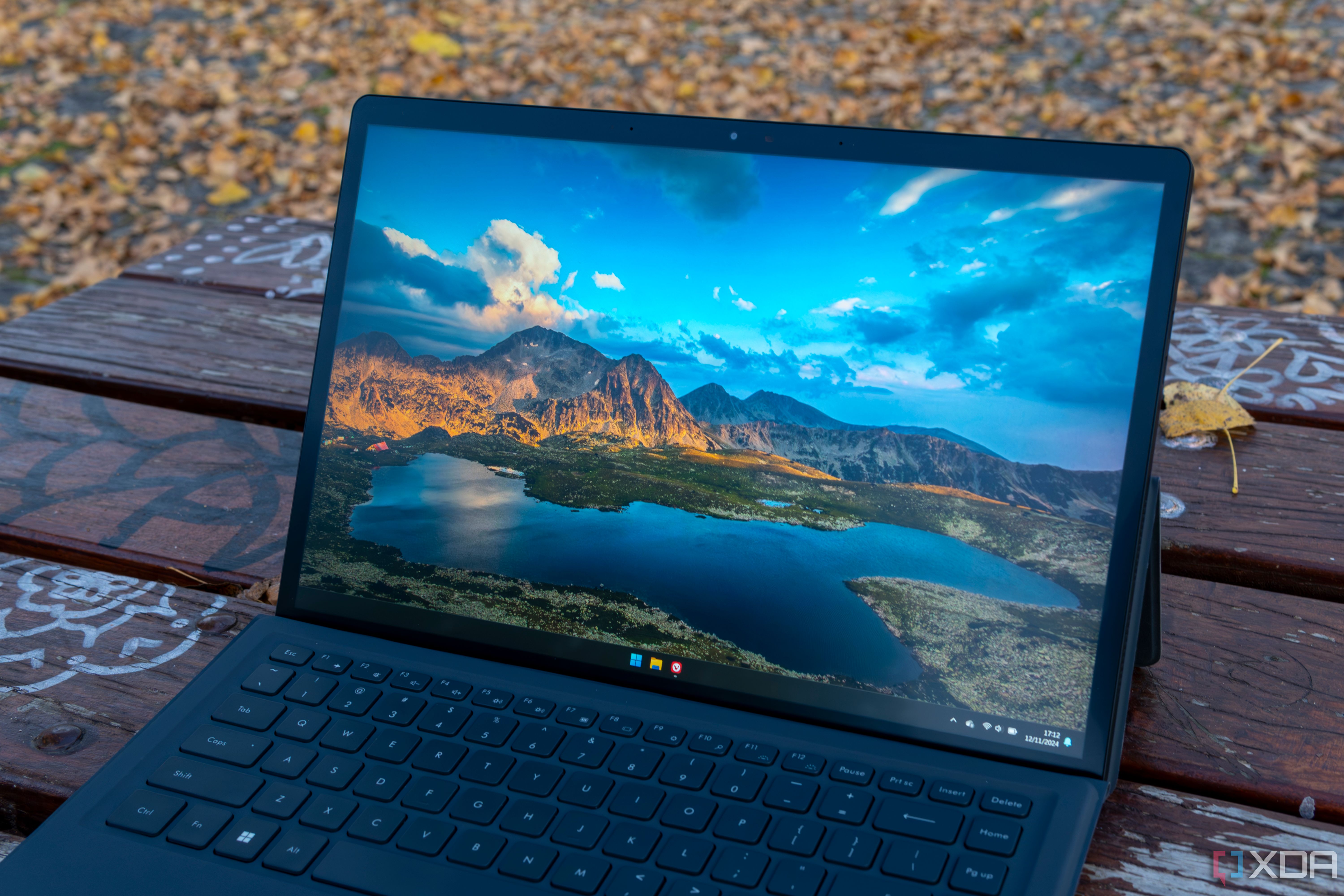
Windows 7 was no longer supported, and that meant that the era of software that was licensed. For individuals and businesses clinging to `windows 7`, the upgrade path to Windows 11 is not a simple re-installation--it's a migration to a fundamentally different digital paradigm. This change encompasses all aspects of your Windows 11 experience from the way you buy your Windows lizenz, all the way to how you collaborate with Office and safeguard your system. The past of one-time purchases, physical media and isolated software suites is now replaced by cloud-integrated subscriptions, digital licences, and ecosystem-wide security. Understanding the ten connections of old practices and new necessities is essential to navigating this shift. Your OS choices directly impact the productivity of your suite and your security posture and your scalability in the future.
1. Hardware Gauntlet, Your First Non-Negotiable Act
Windows 11 hardware needs to be installed before you consider buying it (TPM 2.0 and Secure Boot using a modern CPU). Windows 7 and older machines are likely to not pass the test, especially ones built prior to 2017. This isn't just an unintentional Microsoft money grab, it's an important security mandate. These are the "hardware roots of trust" on which modern security solutions like Windows Defender, and even third-party security products like Kaspersky Premium rely. Attempting to bypass these rules with non-official ISO modifications creates an unstable, unsupportable system which negates the security benefits that come with the upgrade, making users more vulnerable than Windows 7.
2. The License Myth of Migration: Your Windows 7 Key is (Mostly) obsolete.
In the past, it was possible to utilize a Windows 7 Pro activation key for Windows 10. Windows 11 does not have this grace period. If your existing Windows 7 license isn't up to date there is no value in upgrading Windows 11 on the same hardware. The new version will be a new start. This means the search for Windows 11 lizenz is a completely new process of procurement. This requires you to begin from scratch and understand the modern OEM/Retail landscape.
3. From Standalone to Ecosystem: The Office Licensing Revolution.
If you're running Office 2010 and 2013 installed on Windows 7, then you're used to having a permanent office license. The Office 2021 version of the modern version is dead on the day of its release. It only gets security updates and doesn't have any new features. Microsoft 365 has become the alternative to upgrade productivity. This is a significant change and you're not just updating Office and Office 365; you're also embracing the cloud identity (Azure AD) and 1TB of OneDrive storage, and enabling real-time collaboration. It's time to reconsider your previous routine of buying office licenses each decade in favor of a continuous operational cost that includes upgrades and services.
4. Security Shouldn't be an afterthought The solution is to replace a whole paradigm.
Windows 7 likely had a plan that utilized a third-party antivirus suite, similar to an older Norton 360. Windows 11 completely changes the landscape. Windows Security (Defender), which is built into Windows 11 has been upgraded to a cloud-integrated, top-tier solution. The installation of your previous security software could cause problems with performance and conflict. It is the perfect time to evaluate. Do you require a separate software like Kaspersky Premium or does Defender together with advanced security features of your hardware can provide enough protection? Answers vary depending on the threat model you are using. The idea that you have to purchase separate antivirus software is no longer the case.
5. The Clean Install Imperative and Data Migration Strategy
Upgrading in-place from Windows 7 to 11 is not supported and can cause for instability. It must be a completely new installation. This will require a thorough data migration. It's time to migrate from local drives to the cloud. Microsoft 365 subscriptions include OneDrive. When you set up Known Folder Move to back up your Desktops, Documents, and Pictures when you set up the system the data migration process becomes a seamless process that is cloud-synchronized. The data you store is moved from being restricted to a PC and is now the user's.
6. The Professional Feature Crossroads – Pro is Now the Minimum.
Windows 11 Pro is mandatory if you have used Windows 7 Professional as a domain joiner, BitLocker host, or Remote Desktop host. The 'windows home key' is a grave mistake that can cripple any professional or business use. Home does not have BitLocker and Group Policy Editor. It's not able to join domains and it isn't able to secure information. Windows 11 Pro is only available as an Microsoft 365 Business or Retail license for Windows 7 Pro users. This will allow them to retain their professional features as well as data security.
7. Beware the Grey Market Siren Call During Transition.
Many people are enticed to buy cheap windows11 oem license keys from the gray market because of their need to upgrade. This is a major error when undergoing a transition. The keys don't work and you are left with a fake system as you begin to build your new one. Investing in a legitimate Retail license or a subscription that includes Windows (like Microsoft 365 Business) provides peace of mind with direct support and a definite upgrade path in the near future. The cost of buying a grey-market important factor is the loss of time and data once it's invariably deleted.
8. Cloud Computing and Future-proofing: The Server Connection
Windows 7 machines that were part of domain networks could be replaced by a server like Windows 2025. Modern integration requires more than only Windows 11 Pro, but as well as a knowledge of cals` (Client Access Licenses). The cloud alternative is Azure Active Directory that comes in Microsoft 365 Business plans. It's important to consider your options when you upgrade to Windows 7. Do you purchase on-premise licenses and servers, or will you switch to cloud identity and device (Intune) and is available via subscription. Both options differ in regards to licensing and cost.
9. Driver Archaeology, and the need to Have a Modern Hardware Base
Windows 7 thrived on a vast library of legacy drivers. Windows 11 relies primarily on modern, cloud-sourced drivers through Windows Update. Windows 7 is often the only machine that can be used with special hardware. Upgrade evaluations must include a complete hardware compatibility test. It is usually discovered that upgrades need new hardware. The most secure and most practical choice is to purchase a brand new computer equipped with Windows 11 OEM already installed.
10. A shift in the philosophy of business of ownership to management and access.
The move from Windows 7 to Windows 8 is ultimately a philosophical change. The old model of static software ownership (windows7 DVD and Microsoft Office 2010 box) is being replaced by a subscription-based service or a digital license that is characterized by specific transfer restrictions. The security model you choose to use changes from an antivirus that you can bolt on to an integrated, hardware-backed defense. Data is moved from local storage to cloud. Utilizing a Microsoft 365 subscription and a valid Windows 11 Pro licence, as well as embracing modern security is the only method of ensuring that the upgrade will not only deliver a new OS but also a durable modern, scalable, and manageable computer foundation for the coming decade. Read the top windows 11 kaufen for website recommendations including windows server 2016 server, ms office 2019, office 2019, ms project, visio software download, microsoft 365 key, windows & office, microsoft office download, microsoft 365 key, office key and more.

Understanding Windows Server 2025 Client Access Licenses (Cals) And Windows Server 2025 For Business.
The change from a peer-2-peer network into a centralized and managed IT infrastructure is a major move for any business that is growing. The biggest and most expensive misunderstanding of this transition is not about the server software. The issue is the Client Access Licenses or "cals" obligation. This isn't an option, it's an essential component of the Microsoft ecosystem. Inability to license access for clients properly can result in the IT project to be derailed, result in severe compliance penalties when audited, and create a series of dependencies affecting everything from operating systems for desktops to productivity and security software. This guide will help you understand the ten interconnected concepts every business should understand when designing Windows Server 2025. It clarifies how server licensing influences your desktop's legality and structure.
1. The Server License Is Just the Entry Fee.
It is possible to run the Windows Server 2025 application on either a physical computer or a virtual one. This license does not give any device or user the right to connect. The CALs are used to purchase this right in a separate transaction. Imagine purchasing a server license for renting a venue and stage. You'll then require the ticket (a ticket) for each individual (User Cal) or gadget (Device CAL) who will be allowed to enjoy the show whether they're actively listening or watching from the back.
2. CALs and Desktop OS Legality: An Indivisible Couple.
It is illegal to allow access to a person running an illegal operating system by using a CAL. If your business workstations are running grey market windows 11 oem' keys bought on a windows 11 Lizenz kaufen discount site buying legitimate CALs for the same is a contradictory, ineffective act. Microsoft's licensing requirements demand that the client OS be licensed correctly. An audit will first invalidate the desktop licenses, making the CALs--and potentially the server access itself--non-compliant. It is crucial to ensure that the entire stack is compliant, from desktops to to servers.
3. The User CAL is vs. Device CAL Choice: The Workforce Modeling.
This is a decision that can have financial consequences. A User CAL permits the user (e.g. the desktop, a laptop, or tablet) to connect to the Server via any number(s) of devices. A Device CAL permits any number of users to access a particular device (e.g. a shared workstation in a factory). The most cost-effective option is based on your usage patterns. Smarter User CALs can be used to mobile workers using several devices. Device CALs will cost less when shift workers use a limited number of dedicated terminals. It is essential to plan your usage. Mixing devices of different kinds is allowed, however it complicates the management.
4. Windows 11 Home is technically and legally incompatible.
A machine that runs Windows 11 Home cannot natively join an existing Active Directory domain, which is a core function of Windows Server. Even if the tech-savvy solution was employed but it still constitutes in violation of licensing. To prevent this, all devices that require authentication or other services (such files shared printer queues, file share, or print queues.) must run Windows 11 Pro, Education, Enterprise, and/or Enterprise editions. Windows 11 Pro Enterprise and Education editions will require a Windows server 2025. It is therefore a bad decision to buy the Windows 11 home key to any device that is used in a business, in the event that plans are made to deploy servers in the future.
5. The Security Management Nexus: Server, CALs, and Endpoint Security.
A Windows Server environment properly configured and equipped with CALs allows for centralized deployment of security policies through Group Policy. This will significantly decrease the configuration burden and cost of managing security software that is standalone. For example, instead of manually setting up kaspersky premium or `norton 360` on each of 50 machines, policies could push uniform settings to the server. Servers become the backbone of management, making security investments more efficient. The managed connection is activated through the CAL.
6. Office License Synergy for a Server Environment
You will most likely have users accessing shared files if you run a Windows Server 2025 for file and printing services. Microsoft 365 is impacted by the choice you make between office lizenz (perpetual Office 2021) and office lizenz. A Microsoft 365 Business Premium/Enterprise plan comes with Azure AD, which can integrate with the on-premise Active Directory, and Intune for device management. This is a new hybrid identity model that simplifies secure access to both the on-premise resource (Server 2025) and cloud resources (Microsoft 365). Subscriptions often provide a smoother integration than perpetual licenses.
7. Alternate License for Public Access: "External Connector".
CALs are for your internal users and devices. If you provide server access to an external user (e.g. customers logging into a site hosted on your servers, anonymous FTP clients), you can not make use of CALs. Windows Server External Connector License (EC) is required in lieu. The license is connected to the server, and provides the anonymous access of other users. This distinction can prevent an enormous compliance breach when using public-facing services.
8. Cals can be specific to versions however they're compatible with new versions.
You can purchase CALs which correspond to a particular server version (e.g. Windows Server 2025). These CALs permit you to access any servers that are running this version or an earlier version. Thus, 2025 CALs grant access to 2025, 2022 or 2019 server. However, they will not function for later versions of Windows Server. If you decide to upgrade to Windows Server 2029, you'll need to purchase new CALs. This must be factored into long-term IT budgeting.
9. Virtualization and CALs Virtualization and CALs: The "Every Access" Rule.
In virtualized environments, the CAL requirement remains in place, but the CAL is based on user access, not on the VM. If you're planning to let 50 users accessing a file sharing application running in windows Server virtualized in 2025, you'll need 50 CALs for each user (or the appropriate number of devices CALs) for each device they're using. The amount of server virtual machines you run doesn't directly multiply the number of CALs needed as it's the amount of users who use these VMs. This prevents over-purchasing for complex virtual setups.
10. The real cost of ownership TCO is greater than just the sticker price.
The business case for Windows Server 2025 should contain the entire stack of licensing, including the server license and all required CALs. All client PCs are required to be updated to Windows 11 Pro if they are not already. To compare a cloud solution (such as shifting your file sharing to SharePoint with Azure AD or Microsoft 365), you need to calculate the capital expenses (CapEx) in addition to the cost to maintain the physical server. In most cases, for small to mid-sized enterprises, the subscription model of cloud services proves more cost-effective than the costs of hardware for servers and software, such as windows server 2025 licensing, cals and the obligatory Windows 11 Pro upgrades for the entire fleet. The decision is economic and architectural and not just technical. Check out the most popular kaspersky premium for blog tips including microsoft office 2019, windows server software, office key, ms visio software, ms office 2019, windows & office, microsoft 365 key, office 2019, ms office 2019, office 2016 software and more.